The Renaissance of Gothic Typography: Why Heroisgod Is Defining the New Edge in Digital and Physical Branding
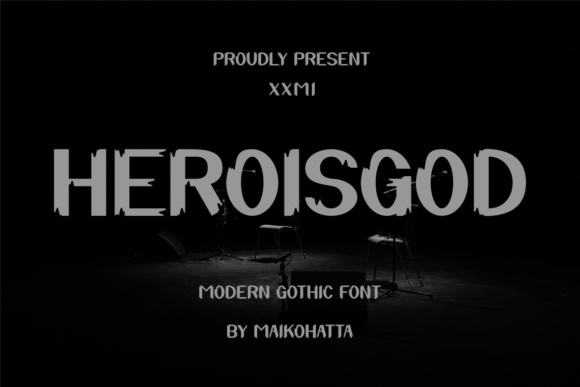
In the rapidly evolving landscape of visual communication, typography serves as more than just a vessel for text; it is the primary carrier of brand identity, emotional resonance, and cultural context. As we move further into an era defined by hyper-digital saturation and the subsequent craving for tangible authenticity, designers and business owners are seeking typefaces that command attention with immediate authority. Among the emerging tools reshaping this aesthetic space is Heroisgod, a distinct, highly detailed, and Horror Metal font that bridges the gap between historical calligraphy and modern industrial grit. This article explores how Heroisgod fits into broader creative trends, why professionals are adopting it, and how its specific characteristics—from its Uppercase OTF/TTF availability to its retro-urban appeal—are redefining logo design, tattoo branding, and vintage aesthetics.
Deconstructing the Aesthetic: What Makes Heroisgod Distinct?
To understand the utility of Heroisgod, one must first look at the typographic lineage from which it draws inspiration. Traditional blackletter scripts, such as Fraktur or Textura, were dominant in Western Europe from the medieval period through the early modern era. However, these classical forms often feel too ornate or archaic for contemporary commercial applications. Heroisgod differentiates itself by stripping away some of the excessive flourishes while retaining the aggressive, angular structure that defines the genre. It is not merely a "gothic" font; it is a Modern Blackletter Font designed with the sensibilities of today’s creator economy in mind.
The font is characterized by its high level of detail and its association with the Horror Metal subculture. This association is crucial because it positions the typeface within a niche that values intensity, precision, and rebellion. For entrepreneurs and marketers, this means the font carries inherent connotations of strength and exclusivity. Unlike generic sans-serif fonts that dominate corporate spaces, Heroisgod demands to be seen. Its heavy strokes and intricate details create a visual weight that can anchor a design, making it an ideal choice for brands that wish to project power without sacrificing artistic integrity.
The Shift Toward Retro-Urban and Niche Identity
One of the most significant trends in current design markets is the rise of "retro-urban" aesthetics. This style blends the gritty, raw textures of urban decay with the polished, nostalgic elements of mid-century and early 20th-century graphic design. Consumers are increasingly fatigued by the minimalist, flat-design approach that has dominated tech startups and SaaS platforms for the last decade. There is a growing desire for texture, history, and character in visual media.
Heroisgod serves as a perfect vehicle for this shift. Its ability to evoke a sense of aged metalwork or worn street signage makes it exceptionally versatile for retro-urban designs. When applied to packaging, apparel, or digital headers, it introduces a layer of narrative depth. For example, a craft brewery looking to emphasize the artisanal, hard-work nature of their product might use Heroisgod for their logo to suggest durability and tradition. Similarly, a fitness brand targeting the CrossFit or strongman community could utilize the font’s aggressive stance to communicate physical prowess and mental toughness.
Bridging the Gap Between Digital and Physical Media
A critical advantage of Heroisgod in the current market is its technical adaptability. Available in both OTF (OpenType Font) and TTF (TrueType Font) formats, it ensures compatibility across a wide range of software ecosystems, from Adobe Creative Cloud suites to legacy design tools. This accessibility lowers the barrier to entry for freelancers and small agencies who may not have access to premium, specialized licensing structures. Furthermore, the font’s focus on Uppercase characters allows for impactful headline usage where brevity and impact are paramount. In an attention-span economy, a single word set in Heroisgod can convey more emotion than a paragraph of body text in a neutral typeface.
Application in Tattoo Business and Personal Branding
No industry has embraced the revival of blackletter typography more enthusiastically than the tattoo sector. Tattoo artistry is deeply rooted in tradition, yet it is constantly pushing boundaries. For tattoo artists and studios, the logo is often the first point of contact with potential clients. A generic logo suggests a generic service, whereas a custom, bold typeface like Heroisgod signals expertise and artistic vision.
The Horror Metal influence of Heroisgod resonates strongly with the themes prevalent in tattoo culture, such as dark imagery, realism, and neo-traditional styles. By using this font, businesses can immediately align themselves with a specific aesthetic community. This alignment is not just about style; it is about trust. Clients seeking intricate, high-detail work want to see that detail reflected in the brand’s own presentation. Heroisgod’s highly detailed glyphs demonstrate a commitment to craftsmanship that mirrors the skill required in tattooing.
Moreover, for individual creators and influencers, personal branding is becoming increasingly important. Freelancers in creative fields are no longer just selling a service; they are selling a persona. Using a distinctive font like Heroisgod in social media graphics, portfolio headers, or merchandise helps establish a recognizable visual signature. It creates a cohesive brand universe that feels curated and intentional, distinguishing the professional from the amateur.
Strategic Implications for Marketers and Entrepreneurs
From a marketing perspective, the adoption of Heroisgod represents a strategic move toward differentiation. In crowded markets, standing out requires breaking the mold of standard design conventions. While readability remains essential, emotional engagement is often the driver of conversion. Heroisgod excels at creating emotional engagement through its sheer presence. It evokes feelings of nostalgia, danger, luxury, or rebellion, depending on how it is paired with other design elements.
- Logo Design: The uppercase structure provides a solid foundation for symmetrical or monogram-style logos that require stability and balance.
- Vintage Designs: When combined with distressed textures or muted color palettes, Heroisgod can replicate the look of vintage posters, beer labels, and concert flyers from the late 20th century.
- Event Branding: For music festivals, horror-themed events, or alternative fashion shows, the font acts as an instant mood setter, attracting the target demographic before they even read the event details.
Workflow Efficiency and Accessibility
For design teams, the practical benefits of Heroisgod extend beyond aesthetics. The availability of multiple file formats ensures that assets can be easily integrated into various workflows, whether for print production or web deployment. This reduces friction in the design process, allowing creators to focus on strategy and layout rather than technical troubleshooting. Additionally, the font’s robust character set supports a wide range of linguistic needs, making it suitable for international projects that require a bold, universal visual language.
Future Trends: The Longevity of Bold Expression
Looking ahead, the trend toward expressive, personality-driven typography shows no signs of slowing down. As AI-generated content becomes more prevalent, there will likely be a counter-movement valuing human-crafted, unique design elements. Fonts like Heroisgod, with their complex structures and distinct personalities, represent the antithesis of algorithmic blandness. They offer a human touch that cannot be easily replicated by automated systems.
Furthermore, the integration of 3D rendering and motion graphics is opening new avenues for blackletter fonts. Imagine Heroisgod animated with metallic sheens, glowing edges, or dynamic transformations. These advanced applications will allow brands to leverage the font’s traditional roots while embracing futuristic technologies. Professionals who familiarize themselves with the nuances of such typefaces now will be well-positioned to capitalize on these emerging opportunities.
Conclusion: Embracing the Power of Heroisgod
The story of Heroisgod is not just about a typeface; it is about the shifting tides of consumer preference and creative expression. It reflects a world that is tired of the safe and the sterile, yearning instead for something bold, detailed, and authentic. Whether you are a tattoo artist building a loyal client base, a marketer launching a disruptive product, or a designer crafting a vintage-inspired campaign, Heroisgod offers a powerful tool to communicate your message with clarity and impact.
By understanding the cultural and technical dimensions of this Modern Blackletter Font, professionals can make informed decisions that enhance their brand’s visual identity. In a marketplace that rewards distinction, choosing the right typography is not merely an aesthetic decision—it is a strategic imperative. Heroisgod stands ready to meet that challenge, offering a blend of horror-metal edge and retro-urban charm that is uniquely suited for the demands of contemporary design.
As you consider your next branding project, take a moment to evaluate the emotional weight of your typographic choices. Will your font whisper, or will it roar? With Heroisgod, available in accessible OTF and TTF formats, you have the opportunity to ensure that your brand does not just speak, but commands the room.