The Timeless Allure of Old Vintage Victorian
In an era where digital design often leans toward the minimalist, the clean, and the hyper-modern, there remains a profound appreciation for styles that speak to history, craftsmanship, and narrative depth. Among the myriad typefaces available to designers, creators, and business owners, Old Vintage Victorian stands out as a distinctive choice for those seeking to evoke a sense of classical sophistication. This font is not merely a collection of glyphs; it is a vessel for storytelling, transporting viewers back to an age of intricate detailing and elegant grandeur. Whether you are crafting a wedding invitation, designing signage for a boutique shop, or simply looking to add a touch of historic charm to your personal projects, understanding the nuances of this typeface can significantly elevate your creative output.
Defining the Aesthetic: What Makes It Unique?
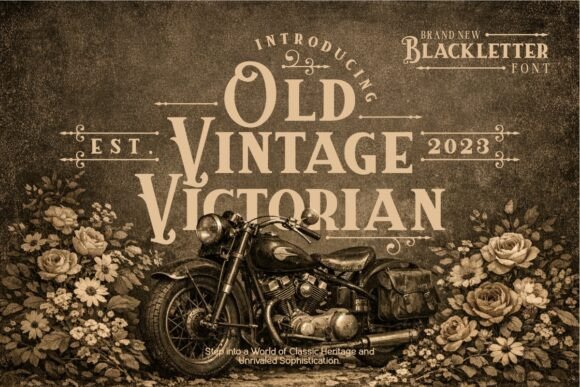
To truly appreciate Old Vintage Victorian, one must first understand the architectural and artistic movements that inspired it. The Victorian era was characterized by an abundance of ornamentation, complex patterns, and a reverence for historical revival styles such as Gothic Revival and Rococo. Old Vintage Victorian captures this essence through its intricate details. Unlike modern sans-serif fonts that prioritize readability above all else, this typeface embraces complexity. Its letters often feature exaggerated serifs, delicate flourishes, and varying stroke weights that mimic the hand-carved woodblocks or engraved metal plates of the late 19th century.
The font’s primary characteristic is its ability to convey timelessness. When you apply Old Vintage Victorian to a design, you are immediately signaling to the audience that the content within is special, curated, and rooted in tradition. It possesses a "vintage flair" that feels authentic rather than kitschy, provided it is used with intention. The intricacy of the design demands space and attention, making it less suitable for body text but incredibly powerful for headlines, titles, and focal points where visual impact is paramount.
Key Features and Design Characteristics
When evaluating Old Vintage Victorian for your next project, several specific features define its utility and aesthetic appeal:
- Intricate Detailing: Each character is crafted with care, featuring subtle curves and sharp angles that reflect the high level of artistry present in Victorian-era printing presses.
- Historical Authenticity: The letterforms are designed to look like they belong in a historical document, offering a genuine sense of nostalgia without relying on overly caricatured "Western" or "circus" stereotypes.
- Versatile Elegance: While heavily decorative, the font maintains a level of legibility that allows it to be used in various contexts, from formal invitations to rustic branding materials.
- Emotional Resonance: The typography evokes feelings of warmth, heritage, and stability. It suggests that a brand or event values quality and longevity over fleeting trends.
These characteristics make Old Vintage Victorian a versatile tool. It is not limited to just one industry. Instead, it serves as a bridge between the past and the present, allowing modern creators to infuse their work with a layer of depth that plain text cannot achieve.
Practical Applications: Where Does It Shine?
Understanding where to use Old Vintage Victorian is crucial for maximizing its effectiveness. Misapplication can lead to cluttered designs or reduced readability. However, when placed correctly, it becomes the star of the composition. Here are some real-world scenarios where this font excels:
Wedding and Event Invitations
One of the most popular uses for Old Vintage Victorian is in the realm of weddings and formal events. Couples who wish to create a romantic, nostalgic atmosphere often choose this font for their save-the-dates, main invitations, and menus. The elegance of the lettering pairs beautifully with traditional stationery elements like wax seals, ribbon borders, and heavy cardstock. It sets the tone for an evening that feels both exclusive and heartfelt.
Retail and Hospitality Branding
Business owners in the hospitality and retail sectors frequently utilize Old Vintage Victorian to establish a strong brand identity. Imagine a craft brewery, a vintage clothing store, or a cozy café. By using this font on signage, logo designs, and packaging, these businesses communicate a commitment to artisanal quality and heritage. It helps customers feel as though they are stepping into a place with a story, rather than just a transaction point.
Marketing Materials and Advertising
For marketing campaigns that aim to highlight heritage products—such as aged spirits, leather goods, or handmade jewelry—this font adds an air of authority and trust. Old Vintage Victorian can be used in newspaper-style advertisements, social media graphics, and email headers to draw the eye and encourage engagement. Its distinctive look ensures that your message stands out in a crowded digital landscape.
Personal Projects and Crafts
DIY enthusiasts and crafters also find immense value in this typeface. From creating personalized gifts and scrapbooking to designing custom labels for homemade preserves, Old Vintage Victorian allows individuals to add a professional polish to their handmade items. It transforms simple crafts into keepsakes that feel timeless.
Evaluating Suitability: Who Benefits Most?
Not every project requires the weight and drama of Old Vintage Victorian. It is essential to assess whether this font aligns with your goals. It is particularly beneficial for:
- Designers seeking differentiation: If you are working in a niche that is saturated with modern, flat design, this font offers a refreshing contrast.
- Brands emphasizing heritage: If your core value proposition is based on tradition, history, or craftsmanship, this font visually reinforces that message.
- Event planners aiming for atmosphere: For events that require a specific mood—be it romantic, spooky, or regal—typography plays a key role in setting the scene.
However, it may not be suitable for tech startups, medical websites, or any context requiring rapid information processing. In these cases, the ornate nature of the font could hinder usability and confuse the user. Always consider the context before committing to this style.
Best Practices for Implementation
To get the most out of Old Vintage Victorian, follow these practical guidelines:
Pairing is Key: Because this font is so detailed, it should typically be paired with a simpler, neutral font for body text. A clean serif or a lightweight sans-serif can provide the necessary contrast, ensuring that the fine details of the Victorian style are not lost in a sea of text. Avoid pairing it with other highly decorative fonts, as this will create visual chaos.
Use Sparingly: Let the font breathe. Use Old Vintage Victorian for headlines, logos, and short phrases. Do not attempt to set long paragraphs in this typeface. The eye needs rest, and the intricate details become fatiguing to read over extended periods.
Consider Color and Texture: To enhance the vintage feel, consider using muted color palettes, sepia tones, or textured backgrounds. These elements complement the font’s aesthetic and reinforce the overall theme of classic sophistication.
Conclusion: Embracing Historical Charm
In conclusion, Old Vintage Victorian is more than just a font; it is a design element that carries the weight of history and the grace of the past. For creators, business owners, and consumers alike, it offers a unique opportunity to inject personality and depth into their projects. By understanding its characteristics, respecting its limitations, and applying it with thoughtful intent, you can harness the power of this timeless typeface to create designs that resonate on an emotional level.
Whether you are drafting a love letter, launching a new brand, or simply decorating your home, let Old Vintage Victorian lend an air of timeless grace to your typography. In a world that moves quickly, sometimes the most powerful statement we can make is one that looks back, honoring the beauty and intricacy of a bygone era.